- Empower students and teachers during crises.
- Transform humanitarian aid into developmental programs.
- Strengthen community partnerships to promote education.
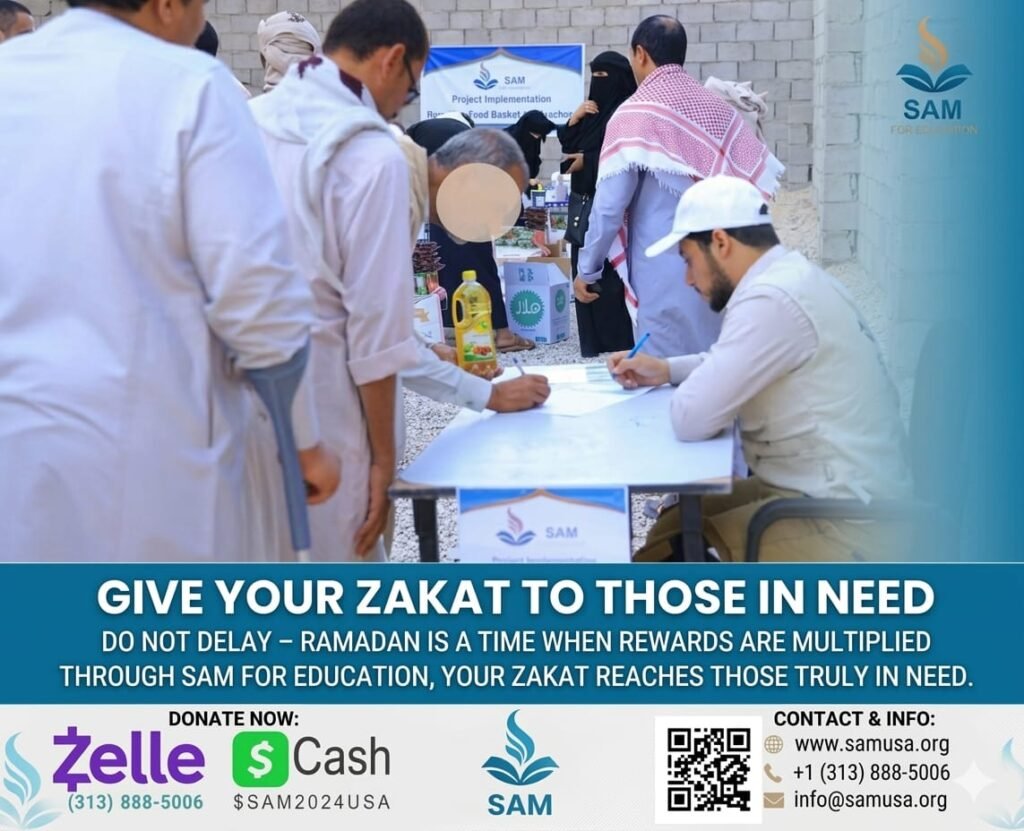
Give your Zakat to those who need it most.
Do not delay your Zakat.
Give your Zakat today.
Do not miss the blessings of Ramadan
Constructing or restoring schools and educational centers in poor or crisis-affected areas—especially in Yemen and in communities with weak educational infrastructure—to ensure safe, continuous learning.
Providing full or partial scholarships for students who cannot afford tuition, so financial hardship does not block their education.
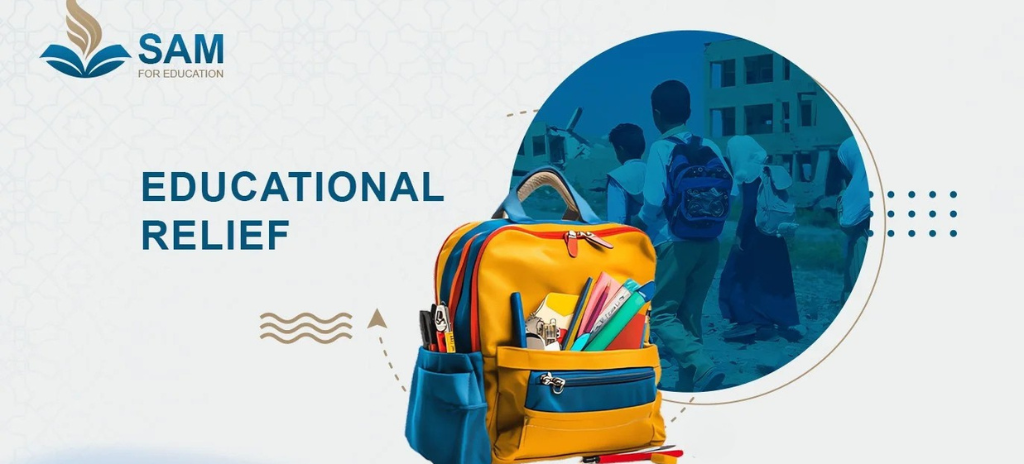
Delivering school bags, stationery, uniforms, and learning tools to help children start and continue school with dignity.
Sponsoring general and higher-education students, and sponsoring teachers through financial or in-kind support (e.g., monthly stipends or food baskets) to stabilize teaching and learning.
Designing projects that empower individuals and communities with knowledge and skills—so emergency relief evolves into long-term self-reliance and community resilience.
Supporting the psychological and social well-being of students and teachers affected by conflict or economic hardship through targeted counseling and community programs.

5 million people need assistance and protection.
8 million people—most of them women and children.
1 million are suffering from hunger; 5.1 million are in an emergency situation.
2 million are exposed to violence.
5 million women of childbearing age need support.
40% of health facilities are out of service or insufficient.
5 million children are out of school.
500,000 children need treatment for acute malnutrition.
Sam for Education is a Michigan-based non-profit organization, working with a vision of “a conscious society… and a sustainable impact.”
We believe that education is a constructive message, not indoctrination, and that relief is an investment in awareness, not a passing charity.
Through our education, training, leadership and educational relief programs, we create leaders who transform knowledge into a renewed human impact.